A -
B -
C -
CANNABIS is a type of flowering plant that includes the well-known species sativa and indica. People have grown it for centuries for its therapeutic and medicinal uses. The plant contains natural chemicals called cannabinoids, which give each strain its unique effects. Our bodies even have a built-in system, the endocannabinoid system, that interacts with these cannabinoids. Legally, “Marijuana” refers to cannabis that has more than 0.3% THC and "Hemp" refers to cannabis with less than 0.3%.
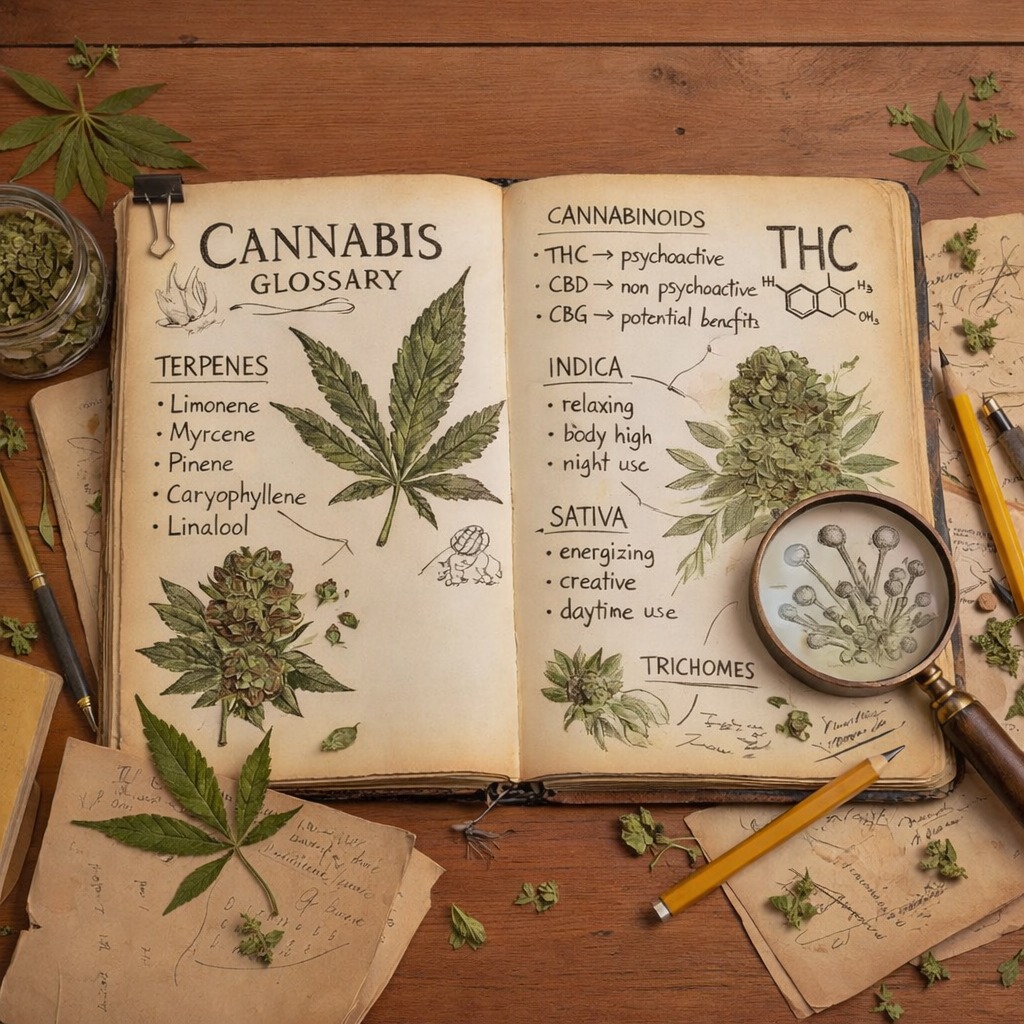
CANNABINOIDS are natural compounds in cannabis that interact with receptors throughout the brain and body, shaping effects like mood changes, pain relief, relaxation, sleep, and even the “munchies.” Our bodies produce similar chemicals called endocannabinoids, and cannabinoids can also be found in a few other plants or made synthetically. Cannabis is the most abundant source, with more than 150 identified plant cannabinoids. The best known are THC, which produces the high, and CBD, which offers calming, non-intoxicating effects—but there are many others, including THCA, CBG, CBN, and more, some already identified and others still being studied.
CBD, or Cannabidiol, is a natural compound found in cannabis that doesn’t create a high. It interacts with the body’s endocannabinoid system, which helps regulate things like mood, pain, and inflammation. Many people use CBD for potential benefits such as easing anxiety, reducing pain, and supporting overall balance. Unlike THC, it’s known for its calming effects without intoxication.
CONCENTRATE is a term for cannabis products made by extracting the plant’s trichomes—the resinous glands that contain cannabinoids, terpenes, and other compounds responsible for both its effects and aroma. This extraction process produces a potent, versatile product that preserves the flavor and chemical profile of the original plant in a more concentrated form. Concentrates can take many forms, including oils, waxes, shatters, and tinctures, and the method of extraction often determines the texture, potency, and terpene content. They can be consumed in a variety of ways, such as dabbing, vaping, or adding to edibles and other preparations. By isolating the most psychoactive and aromatic parts of the plant, concentrates offer a more controlled and intense experience than traditional cannabis flower, making them popular for both recreational and medicinal use.
CURED RESIN, also known as dead resin, uses cannabis that has undergone a slow drying and curing process, typically lasting several weeks in a controlled environment. This process gradually removes moisture, reduces unwanted compounds, and allows the plant’s natural cannabinoids to fully develop, resulting in a smoother, more potent concentrate. While some of the delicate terpenes and aromatic compounds may be diminished during the process, cured resin often contains higher levels of THC than live resin, making it a preferred choice for those seeking intense effects. This concentrate is prized for delivering a true-to-plant experience that highlights the original strain’s characteristics, and highly valued for its balance of potency, flavor, and smoothness.
D -
DECRIMINALIZATION of cannabis is the removal of criminal penalties for certain cannabis-related activities, most commonly the possession and personal use of small amounts. While cannabis remains illegal, individuals caught with it are no longer subject to arrest or jail time. Instead, they may face civil fines, have the cannabis confiscated, or be referred to educational or treatment programs. In many cases, decriminalization also includes efforts to reduce or clear criminal records for past minor cannabis offenses, providing relief to those previously affected by strict laws. Decriminalization is determined at the state level, meaning each state decides whether to remove criminal penalties for cannabis possession and how those penalties are applied. It does not legalize the production, sale, or distribution of cannabis.
DELTA-10 THC is a rare cannabinoid typically sourced from federally legal hemp rather than high-THC cannabis. Because natural levels are extremely low, manufacturers convert hemp-derived CBD through controlled chemical processes to produce usable amounts, which is why delta-10 is often described as a semi-synthetic cannabinoid. It interacts with the body’s endocannabinoid system much like other forms of THC but produces noticeably milder, more uplifting effects—often described as clear-headed and energizing—making it appealing to those who prefer a less intense experience. Delta-10 occupies a legal gray area, and several states have enacted their own restrictions. Scientific research on its safety, benefits, and long-term effects remains limited, so much remains unknown about delta-10 THC.
DELTA-8 THC is a cannabinoid found in very small amounts in the cannabis plant. While it naturally occurs, the levels are so low that most delta-8 products are created by converting hemp-derived cannabinoids through controlled chemical processes, making it a semi-synthetic compound and allowing for commercially viable quantities. Delta-8 offers a gentler experience than stronger THC products, often described as uplifting, clear-headed, and slightly euphoric, making it appealing to those seeking a less intense high. Because it is semi-synthetic and psychoactive, delta-8 exists in a legal gray area: it is available in some states where cannabis is restricted, but other states have banned its sale. Scientific research on delta-8 is extremely limited, so its long-term effects, benefits, and potential risks are not fully understood.
DISTILLATE is a highly refined cannabis extract that contains a very high concentration of a single cannabinoid, most commonly THC or CBD, often reaching 90–100% purity. The production process removes nearly all other plant compounds—including terpenes, flavonoids, and additional cannabinoids—resulting in a nearly flavorless, odorless, and extremely potent product. Distillate is commonly used as the base for edibles, vape cartridges, and other cannabis products, and its neutral profile allows manufacturers to add terpenes or flavorings later to achieve a desired taste or aroma. Although solvents are often used in the initial extraction, the final distillate is purified to remove residual solvents, producing a clean, concentrated form of cannabis.
E -
EXTRACT is a type of cannabis concentrate created using a solvent to isolate the plant’s active compounds, including cannabinoids and terpenes. While “extract” and “concentrate” are sometimes used interchangeably, and although all extracts are concentrates, technically not all concentrates are extracts, as some are made using mechanical or solvent-free methods. Extracts can vary widely in appearance, texture, and potency, with THC or CBD levels ranging from moderate to as high as 99%, far exceeding the 10–25% typically found in dried cannabis flower. They can be produced in solid or liquid forms and are usually consumed with a vape pen or dab rig. Extracts fall into two categories: Full-Spectrum, meaning all of the plant's active compounds are preserved, or Isolates, which focus on a single cannabinoid such as THC or CBD. By concentrating these compounds, extracts allow consumers to achieve desired effects with smaller amounts of product.
F -
FLOWER, sometimes called “bud,” is the part of the female cannabis plant that forms dense clusters covered in tiny, crystal-like trichomes. This is where cannabinoids and terpenes are most concentrated, giving the plant its effects and aroma. A nug is a smokable, self-contained piece of cannabis flower. Flower can be enjoyed on its own or used as the base for making cannabis concentrates.
G -
H -
HEMP is a type of cannabis plant in the Cannabaceae family that contains 0.3% THC or less, meaning the raw plant does not produce intoxication. The distinction between hemp and higher-THC cannabis is mainly legal rather than botanical. Hemp has been cultivated for thousands of years for its versatility and resilience, long before modern laws separated it from traditional cannabis. Historically, hemp was grown for its fibers and seeds, used to make textiles, ropes, and other materials. Today, it is also widely cultivated for CBD and other hemp-derived compounds, which can be extracted or chemically converted into products such as delta-8 THC. Only when these compounds are concentrated or altered can they produce psychoactive effects. Hemp can be grown across the U.S. under federal law if it meets strict THC limits, providing legal alternatives in states where traditional THC products remain prohibited.
HYBRID cannabis is a cross between different strains, typically blending indica and sativa genetics to capture the best qualities of both. Breeders create hybrids to tailor effects, aromas, and flavors, resulting in strains that can lean sativa-dominant for an energizing lift, indica-dominant for soothing body relaxation, or stay evenly balanced for a mix of the two. Because pure indicas and sativas are rare, most cannabis available today comes from hybrid breeding.
I -
INDICA is a type of cannabis known for its calming and sedative effects. These strains are often used to relieve chronic pain, reduce muscle spasms, ease stress and anxiety, and improve sleep, making them popular for evening or nighttime use. Indicas interact with the body’s endocannabinoid system to promote relaxation and a sense of overall calm. Physically, Indica plants are short and bushy with thick stems and broad, wide leaves. Their buds are dense, compact, and sometimes cylindrical in shape. Originally adapted to colder northern climates, Indicas typically grow faster than Sativas and some varieties even develop purple hues as they mature.
J -
K -
KIEF (from the Arabic word kīf, meaning “joy” or “pleasure”)—sometimes misspelled as keef —is the collection of tiny, crystal-like particles that naturally fall off cannabis buds. Kief is extremely potent because it contains a highly concentrated amount of cannabinoids like THC and CBD, along with aromatic terpenes that give cannabis its distinctive smell and flavor. It is often gathered using grinders with “kief catchers.” Its powerful effects and versatility make kief prized for both recreational and medicinal use.
L -
LIVE RESIN is a cannabis concentrate made from plants that are frozen immediately after harvest, rather than being dried and cured like typical buds. Freezing the plant preserves delicate trichomes and locks in the terpenes responsible for flavor and aroma, preventing their degradation. The resulting extract captures a more complete profile of the plant, producing a concentrate that is potent, aromatic, and true to the original cannabis. Compared to products made from dried flower, live resin delivers a richer, more flavorful experience that highlights the plant’s natural effects and scent, making it highly valued by cannabis enthusiasts.
LIVE ROSIN is a high-purity, solvent-free cannabis concentrate made from freshly harvested, flash-frozen plants. By pressing the frozen material with heat and pressure, the plant’s trichomes release oils rich in cannabinoids and terpenes, preserving the full chemical profile of the living plant. Because the source material is never dried or cured, live rosin retains more of the natural flavor, aroma, and potency compared to concentrates made from dried flower. Its extraction process is entirely chemical-free, making it one of the cleanest forms of cannabis concentrate available. Highly valued by enthusiasts, live rosin offers a true-to-plant experience with robust flavor, strong effects, and a well-rounded profile of cannabinoids and terpenes.
M -
MEDICAL MARIJUANA refers to cannabis used to treat specific health conditions. Many states have legalized its use, allowing patients with qualifying conditions to access marijuana with a doctor’s recommendation or prescription. While the chemical composition of medical marijuana is the same as recreational cannabis, patients select strains and products to address particular symptoms such as pain, nausea, insomnia, or inflammation. States that allow medical marijuana often establish regulatory frameworks to control cultivation, distribution, and use, while still maintaining strict rules for recreational users. It’s also important to note that both THC and CBD can have medical benefits: THC may produce a high but can also help with symptoms like nausea or sleep issues, while CBD is non-intoxicating and often used for stress relief or other therapeutic purposes.
N -
O -
P -
Q -
R -
RECLAIM (or reclaimed resin) is the residue that collects in pipes, bongs, or dab rigs after cannabis is smoked or vaporized. The name comes from the idea that this leftover material can be “reclaimed” or scraped out for reuse. Reclaim is mostly made up of tar, ash, and carbon from the combustion process, with only tiny amounts of cannabinoids like THC—typically less than 5%. It can also contain harmful substances such as pesticides, heavy metals, residual solvents, and other toxins. Because of its high tar content and low potency, smoking reclaim is harsh, unpleasant in taste, and potentially damaging to the lungs, which is why most people discard it rather than consume it.
RECREATIONAL MARIJUANA refers to cannabis that is grown, sold, and used primarily for personal enjoyment. Unlike medical marijuana, which requires a doctor’s authorization, recreational cannabis is available to any adult over a specified age, typically 21. It provides adults without qualifying medical conditions the ability to legally access cannabis for personal use and serves as a safer, regulated alternative to potentially more harmful substances, such as alcohol or opioids. In states where recreational marijuana is legal, governments regulate its sale, purchase, and use similarly to alcohol or tobacco. Regulations often include limits on how much an individual can buy or possess at one time, restrictions on public consumption, and rules for home cultivation—some states allow a small number of plants per household, while others prohibit home growing entirely. Learn more about state laws here!
RESIN is the sticky, aromatic substance produced by the trichomes of the cannabis plant. This thick organic compound contains the cannabinoids and terpenes that create cannabis’s effects and aroma, while also protecting the plant from sunlight and pests. Plants with a heavy coating of resin usually have higher levels of these compounds, making them especially potent and ideal for extracts like wax or oil. When cannabis or hash is smoked, the heat leaves behind a black residue—also called resin, though it’s more accurately tar. Some people also use the word resin to describe live resin, cured resin, or reclaimed resin, which are different forms of cannabis concentrates.
ROSIN is a solvent-free cannabis concentrate made by applying heat and pressure to dried and cured buds. This process bursts the trichomes and releases the sticky oils packed with cannabinoids and terpenes, preserving the strain’s natural flavor and potency. Rosin can be consumed immediately and is considered one of the purest forms of cannabis concentrate because no chemicals are used in its production. It can range in color from milky white to golden-orange and is commonly enjoyed through dabbing, vaping, or other consumption methods. Its simplicity, accessibility, and high-quality results have made rosin a popular choice among cannabis enthusiasts.
S -
SATIVA is a type of cannabis plant known for its uplifting and energizing effects. These strains are often used to boost mood, increase energy, and to enhance focus and creativity, making them a popular choice for daytime activities or social settings. Sativas can also help with fatigue and mood-related issues, offering a sense of joy and mental clarity. Physically, sativa plants tend to be tall and airy with narrow leaves, and they evolved in hot, humid climates where their open bud structure allows for better airflow and reduces the risk of mold.
SHAKE refers to the small bits of cannabis flower that break away from larger buds during handling or while being packaged. These loose pieces are often collected and commonly used by producers to roll pre-made joints or bagged and sold for a discounted price.
STRAIN refers to a specific variety of cannabis bred for certain qualities like flavor, scent, strength, and the type of high it produces. Each strain gets its own name—often inspired by its smell or effects. For example, “Sour Diesel” is named after its strong, fuel-like aroma. Years of crossbreeding have created thousands of strains, each with its own mix of cannabinoids like THC and CBD, and unique terpene profiles that influence taste and effects. When picking a strain, think about what you’re looking for—whether it’s relaxation, a boost of energy, or a particular aroma or potency.
T -
TAR is often used in the cannabis industry to describe the combination of real tar with ash, resin and other unburned materials. Cannabis on its own doesn’t have any tar in it. Tar develops naturally when you heat cannabis and mixes with other residual substances.
TERPENES are natural compounds that give cannabis its distinctive smells and flavors, like fruity, piney, or earthy notes. Each strain has its own mix of terpenes, which not only shape its aroma and taste but may also influence how the plant’s effects are experienced. Strains with similar terpene profiles often feel similar in their effects, showing how terpenes work alongside cannabinoids to help shape the overall experience of each cannabis variety.
THC is the main chemical in cannabis that makes people feel “high.” It’s one of many natural compounds called cannabinoids that connect with special receptors in the body. Most cannabis strains have more THC than other cannabinoids, usually about 10% to 30%. In general, the more THC a product has, the stronger its effects. The scientific name for THC is Delta-9-tetrahydrocannabinol, aka Delta-9 THC.
TRICHOMES are the tiny, crystal-like glands that cover cannabis buds and give them their frosty look. These resinous structures act as the plant’s own chemical factories, producing the cannabinoids, terpenes, and other active compounds that create cannabis’s flavor, aroma, and effects. Strains with a thick coating of trichomes typically have higher levels of these compounds, making them a sign of quality for growers and consumers alike. Trichomes also guide harvest timing: clear ones mean the plant is still developing, milky white signals peak potency, and amber or brown indicates the trichomes are overripe. Inside their sticky oil, trichomes contain acidic forms of cannabinoids like THC, CBD, CBG, and CBN, along with hundreds of other chemicals that interact with the body’s endocannabinoid system to deliver both the experiences and potential therapeutic benefits of cannabis.